
Common Areas Roaches Hide
To eliminate common areas roaches hide, local contractors specialize in targeted pest control solutions that effectively reduce infestations and keep your space pest-free.
If you're noticing signs of roaches in common areas of your property, you're in the right place to find helpful information. Common areas such as hallways, laundry rooms, or shared spaces often provide ideal hiding spots for roaches, making infestations more visible and challenging to manage. Property owners in the local area may find it practical to explore this topic to better understand where these pests tend to hide and how it could impact the cleanliness and safety of their spaces. Recognizing where roaches hide is a crucial step toward effective control, and local contractors who specialize in roach pest control can offer tailored solutions to address these issues.
Understanding the common hiding spots for roaches in shared or open spaces can help property managers and residents take proactive steps to minimize infestations. These pests often seek refuge in cracks, crevices, or cluttered areas, especially in places where food or moisture might be present. Local service providers experienced in roach pest control are equipped to identify and treat these hiding spots, helping to reduce the risk of ongoing problems. Keep reading to learn more about how these professionals can assist in keeping common areas free of roaches and maintaining a healthier environment.
- Common areas roaches hide can be difficult to eliminate without professional help, especially in hidden or hard-to-reach spots, and local contractors utilize targeted treatment methods to address these areas effectively.
- Common areas roaches hide often require specialized inspection techniques to identify nesting sites, with service providers deploying thorough searches to locate and treat infested zones.
- Common areas roaches hide in places like wall voids and behind appliances, prompting local pros to use integrated pest management strategies for comprehensive removal.
- Common areas roaches hide can persist in cluttered or seldom-cleaned spaces, so local contractors focus on sanitation and treatment to prevent re-infestation.
- Common areas roaches hide may be overlooked during routine cleaning, making professional pest control essential for identifying and treating these concealed hiding spots effectively.

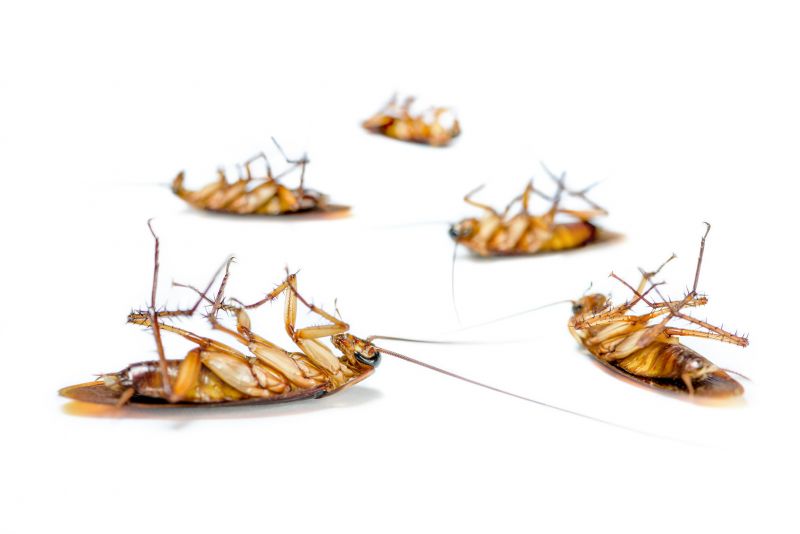
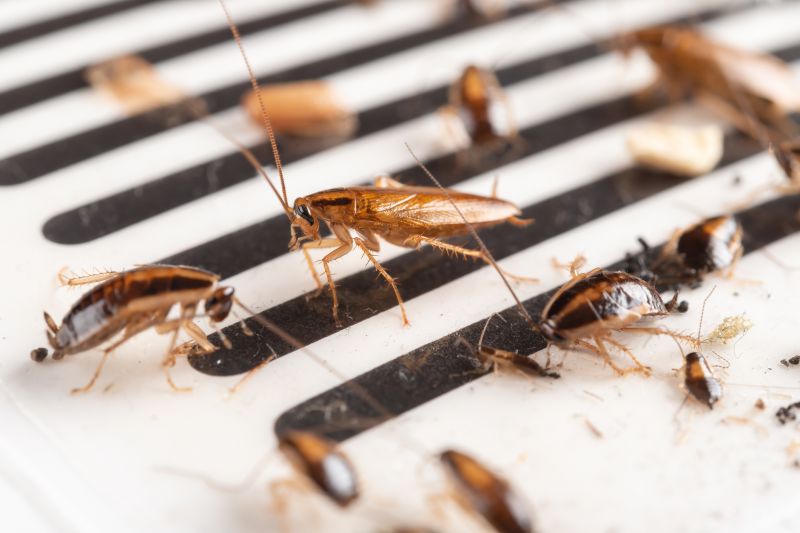
When people search for information about common areas roaches hide, they often want to understand where these pests tend to settle in residential or commercial properties. Roaches are known for their ability to find secluded, dark, and warm spaces where they can remain undisturbed. Common hiding spots include kitchen cabinets, behind appliances, inside wall voids, and beneath sinks. Homeowners and property managers are typically concerned about these areas because they can serve as breeding grounds, making infestations harder to control once established. Recognizing these common hiding spots is a key step in developing an effective pest management plan.
This topic is closely related to problems such as ongoing infestations, sanitation concerns, and the need for targeted treatment strategies. When roaches hide in specific areas, they can reproduce rapidly, leading to larger populations that are difficult to eliminate without professional help. Many property owners plan pest control treatments around these common hiding spots to ensure comprehensive coverage. Local service providers who specialize in roach control can assess these areas, identify potential nesting sites, and recommend tailored solutions. Proper identification of where roaches hide is essential for creating an effective plan to reduce or eliminate infestations.
The types of properties where common areas roaches hide often include multi-unit apartment buildings, condominiums, restaurants, and other commercial kitchens, as well as single-family homes. These environments tend to have numerous crevices, storage areas, and plumbing features that provide ideal shelter for roaches. Older buildings with complex layouts or areas with clutter and food debris can also be more prone to harboring roaches in hidden spots. Property owners and managers should be especially vigilant in these settings, as the risk of widespread infestation increases when roaches find ample hiding places.
Understanding where roaches hide in common areas helps homeowners and property managers recognize the importance of professional pest control services. Local contractors experienced in roach management can perform thorough inspections to locate these hidden spots and develop targeted treatment plans. By addressing the specific areas where roaches tend to hide, pest control providers can improve the chances of successfully controlling or eliminating an infestation. This knowledge supports proactive measures to keep properties clean, safe, and less inviting to these persistent pests.
Building Inspection Services - inspectors identify hidden roach habitats in common areas, helping to locate potential nesting sites that may be overlooked.
Pest Management Planning - professionals develop targeted strategies to eliminate roaches in shared spaces, focusing on common areas where they tend to hide.
Sanitation and Cleaning Services - cleaning experts remove debris and clutter that provide shelter for roaches in communal spaces, reducing hiding spots.
Structural Repair and Maintenance - contractors address cracks, crevices, and entry points that serve as hiding places for roaches in shared building areas.
Ventilation System Services - specialists improve airflow in common areas to disrupt roach habitats and prevent infestations in hidden spots.
Storage Area Management - providers assist with organizing and sealing storage spaces where roaches often hide in communal zones.
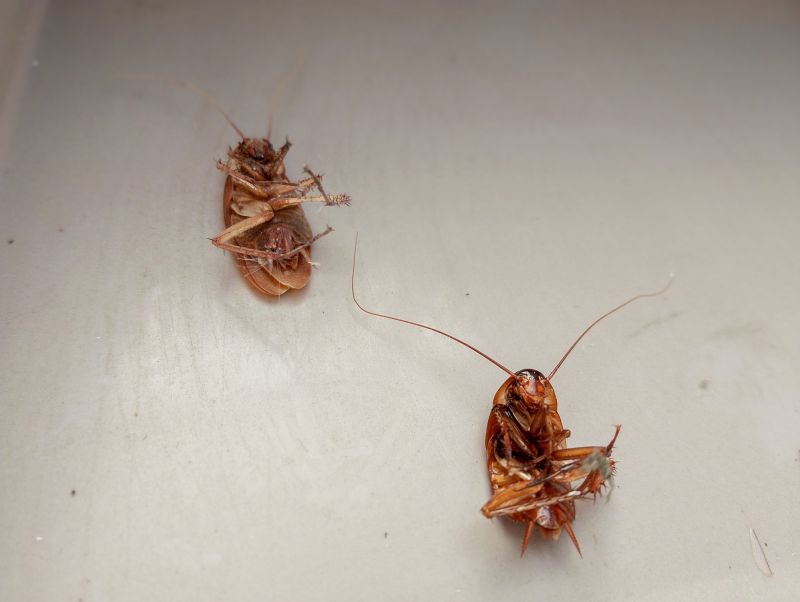
When evaluating local contractors for roach pest control services targeting common areas where roaches tend to hide, it’s important to consider their experience with similar projects. Homeowners should inquire about how long the service provider has been addressing issues related to roaches in shared or communal spaces within residential properties. An experienced contractor will have a better understanding of the typical hiding spots and effective treatment strategies for these areas, which can lead to more thorough and lasting results.
Clear, written expectations are essential when comparing service providers. Homeowners should seek detailed information about what the treatment process involves, including the areas that will be treated, the methods used to target roaches in common spaces, and any necessary follow-up procedures. Having this information in writing helps ensure that both parties are aligned on the scope of work and can prevent misunderstandings about what the service includes, making it easier to choose a provider that meets specific needs.
Reputable references and good communication are key factors to consider during the selection process. Prospective service providers should be able to provide references from previous clients who had similar issues with roaches in common areas. Additionally, effective communication-such as responsiveness to questions and clarity in explaining treatment options-can make the entire process smoother. This helps homeowners feel confident that the contractor understands the unique challenges of common areas and will keep them informed throughout the service, leading to a more satisfying experience overall.
Property owners often search for common areas roaches hide when they are planning practical projects around their homes and businesses. Local pros provide Roach Pest Control services for everyday jobs and straightforward project options.
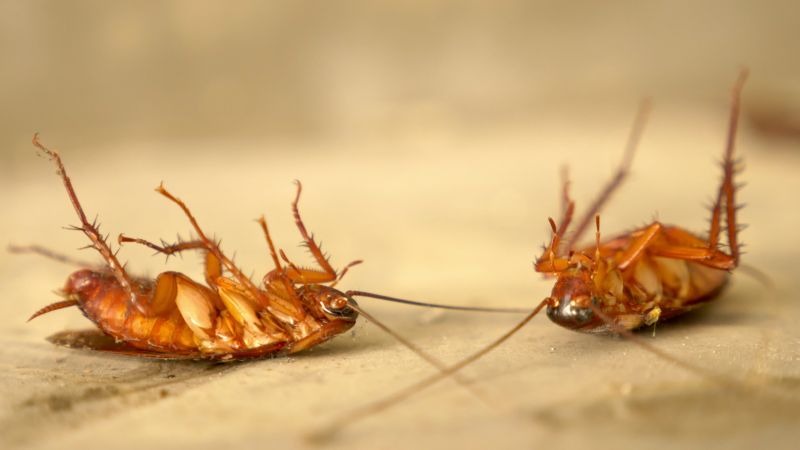
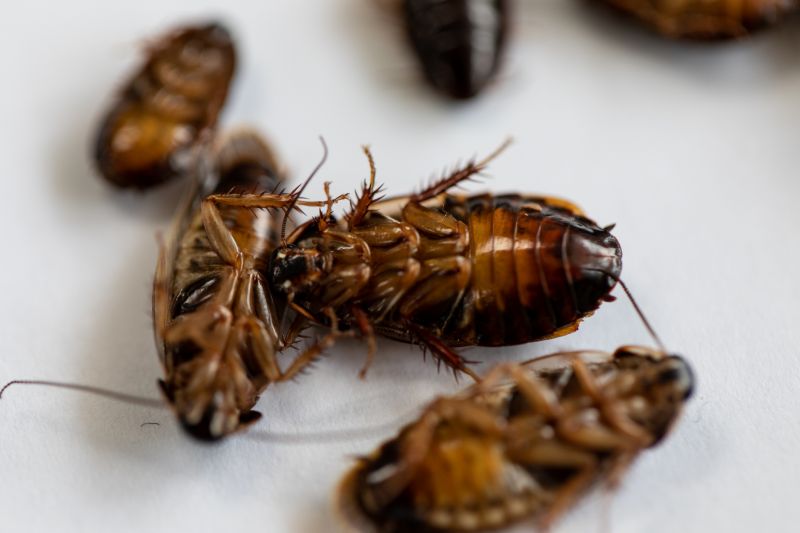
In many homes and commercial properties, common areas such as kitchens, bathrooms, and storage spaces often serve as hiding spots for roaches. These pests tend to seek out dark, secluded spots like behind appliances, under sinks, or within wall voids, especially in areas where food and moisture are readily available. Property owners in the local area might look into this topic when noticing signs of infestation or wanting to prevent future issues, as roaches can quickly multiply in these hidden spaces. Connecting with local service providers experienced in roach pest control can help identify these common hiding spots and implement effective treatments to keep these pests at bay.
Understanding where roaches hide in common areas is essential for effective pest management. Many property owners search for information on this topic to better recognize potential problem areas and take proactive steps. Local contractors who specialize in roach pest control can assess these dark, undisturbed spaces and apply targeted solutions to eliminate hiding spots. Whether dealing with an active infestation or aiming to prevent one, consulting with experienced service providers can ensure that common areas are thoroughly treated to reduce the likelihood of roaches finding refuge in hidden corners.
Why do roaches hide in common areas? Roaches tend to hide in common areas because these spots often provide dark, warm, and undisturbed environments that are ideal for their shelter and breeding.
What are typical hiding spots for roaches in common areas? Common hiding spots include behind appliances, inside cabinets, under sinks, and in cracks or crevices near plumbing and electrical fixtures.
How can local pest control service providers find roaches hiding in common areas? They conduct thorough inspections of difficult-to-reach spots, including wall voids, behind furniture, and inside cluttered spaces where roaches are likely to hide.
What methods do pros use to eliminate roaches hiding in common areas? They often use targeted treatments such as baits, dusts, and residual sprays applied in hidden spots to effectively reduce roach populations.
Can regular maintenance prevent roaches from hiding in common areas? Yes, routine cleaning and eliminating clutter in common areas can reduce hiding spots and make pest control efforts more effective when performed by local service providers.
Identify common hiding spots - property owners can inspect areas like cabinets, basements, and behind appliances to locate where roaches might be hiding in shared spaces.
Reduce clutter in common areas - clearing away unnecessary items creates less shelter for roaches and makes treatment more effective when service providers apply pest control solutions.
Seal entry points and cracks - sealing gaps around pipes, vents, and baseboards helps prevent roaches from moving into shared spaces and reduces hiding spots.
Schedule regular pest control treatments - consistent visits from service providers can target roaches in their hiding places and help maintain a roach-free environment in common areas.
If you are thinking about common areas roaches hide for a property, this guide is meant to help you understand this topic, the typical project types, and how different options might fit your plans.
When you are ready, you can use the quote form on this page to share a few details about your project. From there, local pros can review the basics and follow up with options that match what you have in mind.