
Seasonal Flea and Tick Control Strategies
Seasonal flea and tick control strategies help protect your pets and home by reducing infestations, with local service providers offering expert treatments tailored to each season.
If you own property in the area, understanding seasonal flea and tick control strategies is essential for maintaining a safe and comfortable outdoor space. As warmer months arrive, these pests become more active, increasing the risk of bites and potential health concerns for people and pets alike. Exploring effective, seasonal approaches can help minimize infestations and protect your yard throughout the year. Local service providers specializing in flea and tick control can offer tailored solutions to fit your property’s specific needs, ensuring your outdoor environment remains enjoyable and pest-free.
Many property owners find that implementing seasonal flea and tick control strategies offers practical benefits, such as reducing the likelihood of pests establishing themselves and preventing recurring issues. Whether it’s through targeted treatments or preventative measures, local contractors can help develop a plan that aligns with the changing seasons. Keep reading to discover more about how seasonal strategies work and how local experts can assist in keeping fleas and ticks at bay, helping you enjoy your outdoor space with confidence.
- Seasonal Flea and Tick Control Strategies - homeowners seeking to prevent infestations during peak seasons can rely on local contractors to implement targeted treatments.
- Seasonal Flea and Tick Control Strategies - pet owners concerned about seasonal exposure can find local pros who customize control plans to fit their outdoor environment.
- Seasonal Flea and Tick Control Strategies - property managers looking to maintain pest-free grounds throughout the year can connect with local service providers for ongoing solutions.
- Seasonal Flea and Tick Control Strategies - those experiencing a rise in flea or tick activity can enlist local contractors to perform preventative treatments ahead of peak times.
- Seasonal Flea and Tick Control Strategies - homeowners preparing for seasonal changes can work with local pros to develop effective strategies for long-term pest control.
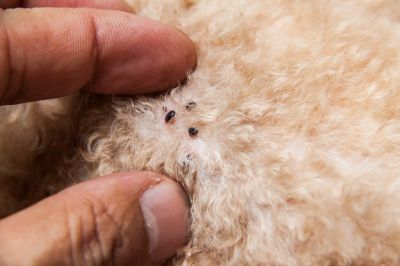
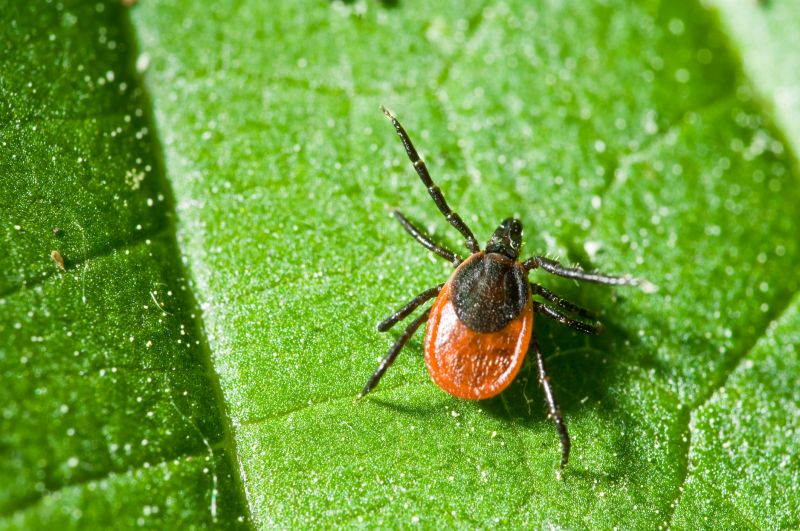
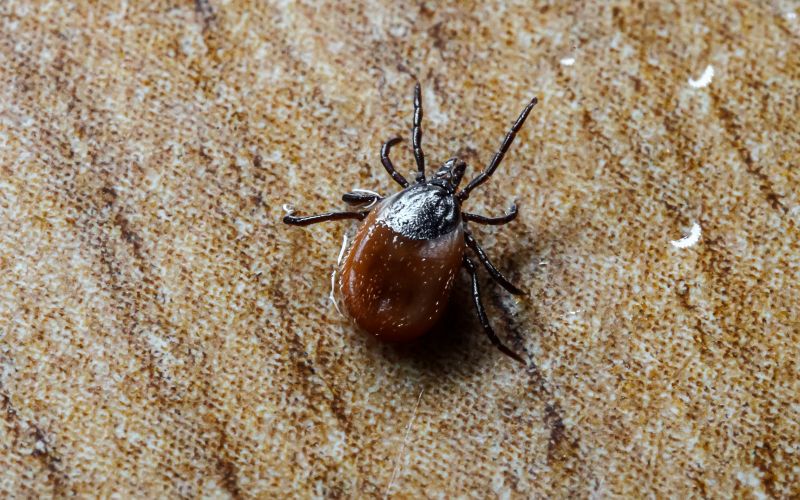
Seasonal flea and tick control strategies are approaches designed to prevent infestations during times of the year when these pests are most active. Many homeowners searching for this topic are looking for ways to protect their pets, children, and property from the discomfort and potential health risks associated with fleas and ticks. These strategies often involve a combination of treatments, environmental modifications, and ongoing maintenance to reduce the likelihood of pests establishing a presence. Understanding the seasonal patterns of flea and tick activity can help homeowners plan effective control measures that align with peak pest populations, making it easier to manage infestations before they become serious problems.
The problems connected to seasonal flea and tick control typically involve infestations that can quickly spread across a property if not addressed proactively. Homeowners may notice increased pest activity during warmer months or specific times of the year, prompting concerns about their pets scratching or biting, or noticing fleas or ticks on clothing or furniture. Planning for these seasonal challenges often includes implementing preventative treatments, such as barrier sprays or topical applications, and making environmental adjustments to eliminate hiding spots. Local service providers who specialize in flea and tick control can assess a property’s unique needs and recommend tailored strategies to minimize the risk of infestations during high-activity periods.
Properties that come up most often in discussions about seasonal flea and tick control include yards, gardens, and outdoor living spaces, as these are primary areas where pests thrive. Residential homes with lawns, shrubbery, and pet-friendly zones are particularly vulnerable to flea and tick activity. Additionally, properties with wooded areas or tall grass can create ideal environments for these pests to hide and reproduce. Homeowners with pets or children often seek out seasonal control plans to keep their outdoor spaces safe and pest-free. Local contractors experienced in flea and tick prevention can help develop customized plans that address the specific features of each property, ensuring that outdoor areas remain protected throughout the active seasons.
Implementing seasonal flea and tick control strategies involves more than just applying treatments; it requires ongoing monitoring and adjustments based on changing conditions. Homeowners may work with local service providers to establish a comprehensive plan that includes regular inspections, environmental modifications, and timely treatments to stay ahead of pest activity. These professionals can also advise on best practices for yard maintenance, such as trimming grass and removing debris, which help reduce pest habitats. By partnering with experienced contractors, property owners can develop a practical, seasonally adjusted approach that effectively manages flea and tick populations, safeguarding their outdoor spaces and overall property health.
Lawn and Garden Pest Management - this project involves identifying and controlling pests that can attract fleas and ticks to residential areas, requiring similar planning and treatment strategies used in seasonal control efforts.
Wildlife Exclusion Projects - installing barriers or deterrents to prevent wildlife from entering yards can help reduce the presence of fleas and ticks, aligning with seasonal prevention techniques.
Yard Debris and Leaf Removal - clearing leaf litter and yard debris disrupts flea and tick habitats, supporting seasonal strategies that focus on habitat reduction.
Perimeter Pest Control - applying treatments around property borders to prevent pest entry shares methods with flea and tick seasonal control planning.
Vegetation Trimming and Landscape Maintenance - maintaining shrubbery and tall grass minimizes tick habitats, requiring similar site assessment and treatment planning as flea and tick strategies.
Mosquito Control Projects - these projects involve targeted treatments and habitat reduction techniques that complement seasonal flea and tick control efforts.

When evaluating service providers for seasonal flea and tick control strategies, it is important to consider their experience with similar projects. Homeowners should look for local contractors who have a proven track record in managing flea and tick control, particularly in environments comparable to their own. An experienced professional will be familiar with the most effective methods for different types of properties and will be better equipped to recommend strategies suited to the specific needs of the homeowner’s landscape and lifestyle.
Clear, written expectations are essential to ensure that both parties understand the scope of work, treatment procedures, and any maintenance requirements. Homeowners should seek out service providers who can provide detailed descriptions of their recommended seasonal control strategies, including the products used and the expected outcomes. Having this information in writing helps prevent misunderstandings and provides a basis for evaluating the quality of service. It also allows homeowners to compare different local contractors more effectively and choose the one that aligns best with their expectations.
Reputable references and strong communication are key indicators of a reliable service provider. Homeowners are encouraged to ask for references or reviews from previous clients who have had similar flea and tick control treatments performed. Good communication from the contractor-such as prompt responses to questions and clear explanations of procedures-can make the process smoother and more transparent. By prioritizing these qualities, homeowners can better assess which local pros are capable of delivering effective seasonal flea and tick control strategies while maintaining a professional and responsive relationship throughout the project.
Property owners often search for seasonal flea and tick control strategies when they are planning practical projects around their homes and businesses. Local pros provide Flea and Tick Control services for everyday jobs and straightforward project options.
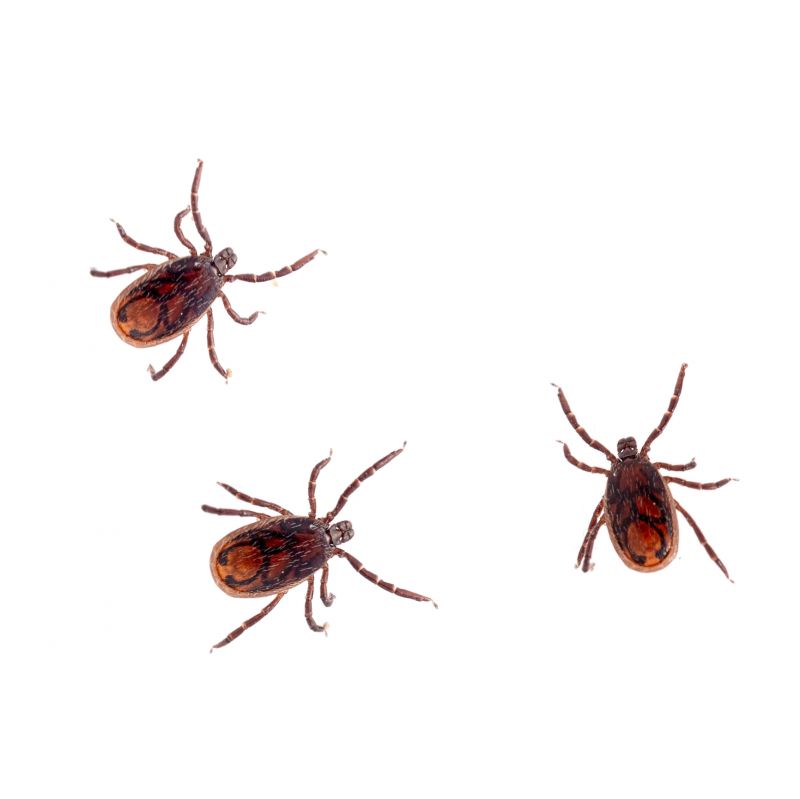
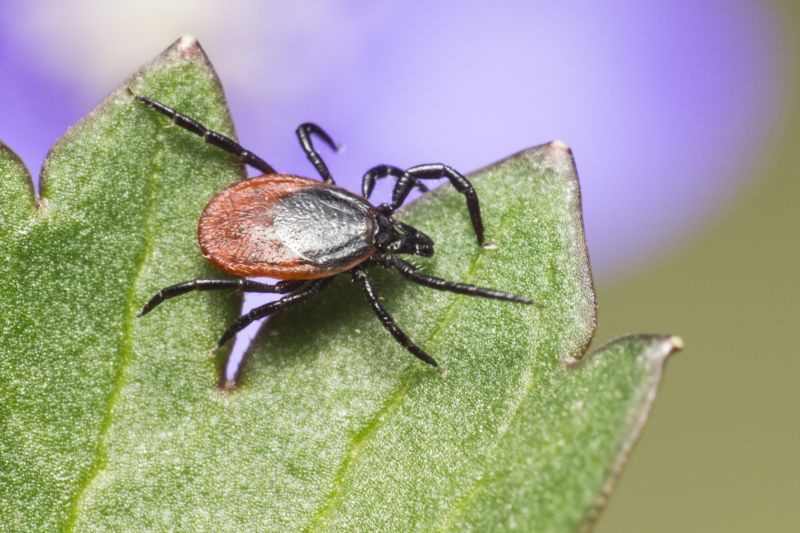
Seasonal flea and tick control strategies are important for property owners who want to protect their homes and outdoor spaces during peak infestation periods. In many local areas, these pests become more active during certain times of the year, making it necessary to implement preventative measures. Property owners often look up this topic to learn about effective ways to reduce the risk of fleas and ticks, especially if they have pets, children, or spend time outdoors. Local contractors who specialize in pest management can provide tailored solutions that align with seasonal changes, helping to keep outdoor environments safer and more comfortable.
Many property owners seek out flea and tick control services from local providers to address ongoing pest issues or to prepare for high-risk seasons. These service providers can offer treatments and strategies designed to target pests at different stages of their life cycle, which is essential for effective control. By exploring options for seasonal control strategies, property owners can find professionals who understand the local climate and pest activity patterns. Connecting with local contractors allows for customized approaches that help prevent infestations before they become severe, ensuring outdoor spaces remain enjoyable and pest-free throughout the year.
What are effective seasonal flea and tick control strategies? Local service providers recommend a combination of environmental treatments, regular yard maintenance, and targeted application of flea and tick preventatives on pets to manage seasonal risks effectively.
When should I start implementing flea and tick control strategies? Many local contractors suggest beginning seasonal control measures before peak flea and tick activity periods, which typically coincide with warmer months, to prevent infestations from establishing.
How can local pros help with seasonal flea and tick control? Service providers can assess your property, recommend appropriate treatments, and apply preventive products to reduce flea and tick populations during high-risk seasons.
Are there specific environmental modifications recommended for seasonal control? Yes, professionals often advise trimming tall grass, removing leaf litter, and creating barriers to reduce flea and tick habitats around the yard.
What ongoing practices support seasonal flea and tick control? Regularly treating pets with preventatives, maintaining yard cleanliness, and scheduling seasonal inspections with local contractors help sustain effective control efforts.
Seasonal Inspection and Monitoring - Property owners can schedule regular inspections with local contractors to identify early signs of flea and tick activity, helping to catch infestations before they spread.
Strategic Landscaping Adjustments - Applying advice from local pros on yard maintenance, such as trimming grass and removing debris, can reduce tick habitats around the property.
Targeted Treatment Plans - Local service providers can develop seasonal treatment strategies that focus on high-risk areas to effectively control fleas and ticks during peak times.
Preventative Barrier Applications - Implementing barrier treatments around the property perimeter with the help of local contractors can create a protective zone against fleas and ticks.
If you are thinking about seasonal flea and tick control strategies for a property, this guide is meant to help you understand this topic, the typical project types, and how different options might fit your plans.
When you are ready, you can use the quote form on this page to share a few details about your project. From there, local pros can review the basics and follow up with options that match what you have in mind.